How does the Handbrake Cable Work?
The primary purpose of the parking brake (commonly referred to as the handbrake) is to ensure the vehicle remains stationary when parked. Additionally, it serves as a secondary braking system in the rare event of a primary hydraulic brake failure.
Modern vehicles utilize one of two systems: a traditional mechanical cable system or a fully integrated electric system.
Mechanical Parking Brake Systems
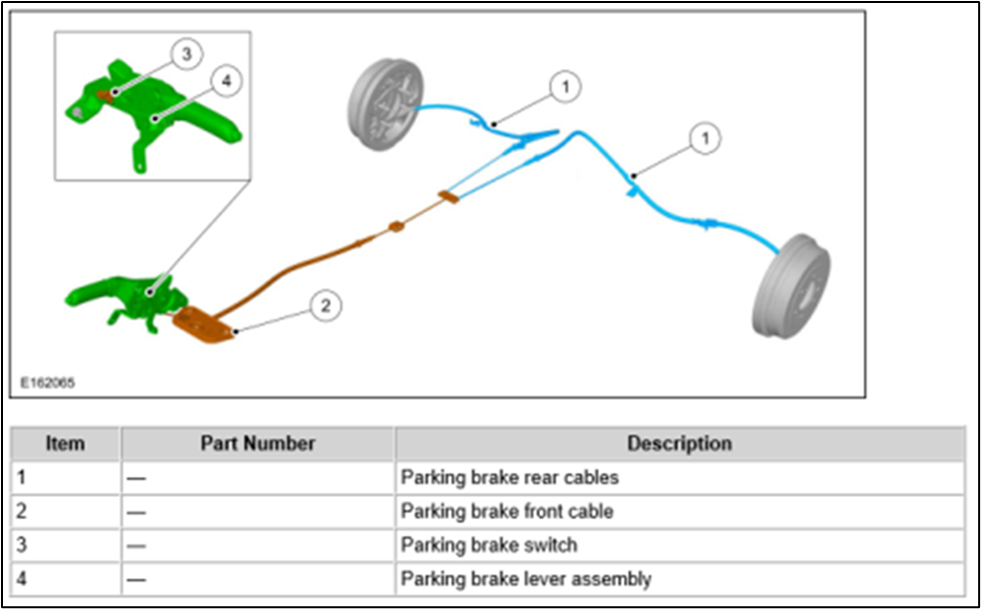
A mechanical parking brake operates independently of the vehicle's hydraulic system. This system typically consists of a cable connected to a hand lever or foot pedal at the driver’s position and to the brake mechanism at the rear wheels.
When the brake is applied, the cable passes through an intermediate lever that amplifies the pulling force. An equalizer then distributes this force evenly between the two rear brakes to ensure secure engagement.
Electric Parking Brake (EPB) Systems
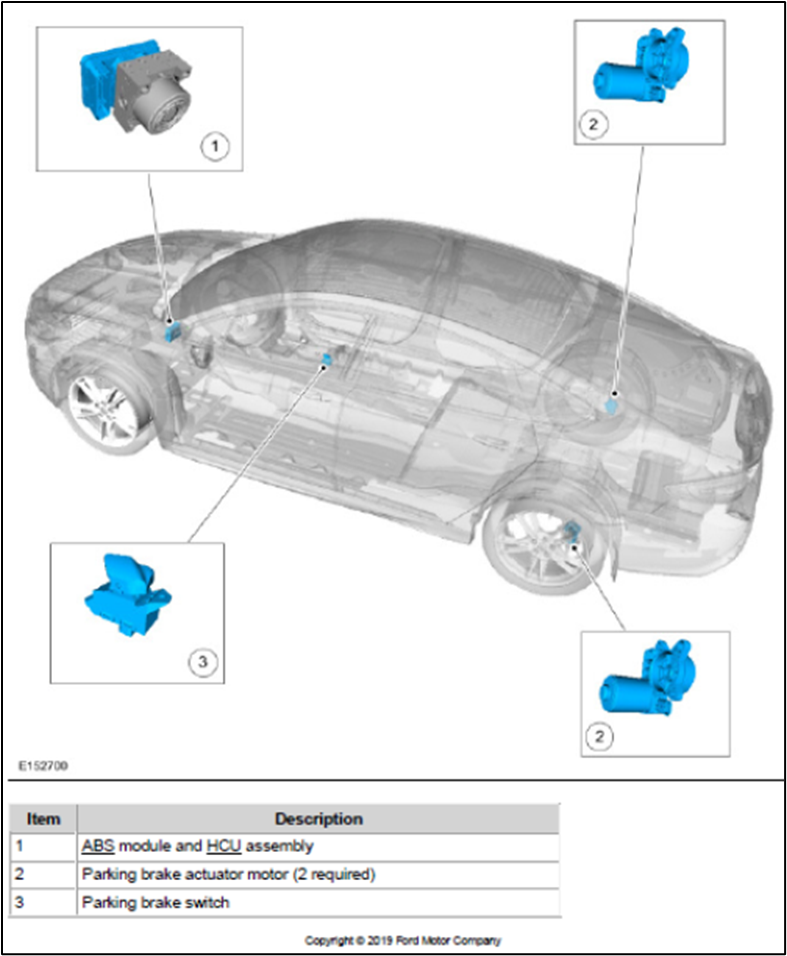
Many contemporary vehicles are equipped with an Electric Parking Brake, which replaces mechanical cables with electric actuator motors. This system is monitored and managed by the Anti-Lock Braking System (ABS) module:
- Engagement: When the driver moves the switch to the APPLY position, the ABS module verifies system conditions via sensors and then activates the actuator motors to lock the brakes.
- Indicators: Once the brakes are fully engaged, a red BRAKE warning indicator illuminates on the instrument cluster. If the red indicator is already active due to another system concern, the message center will display PARK BRAKE APPLIED.
- Disengagement: When the driver moves the switch to the RELEASE position, the ABS module verifies the ignition state and the position of the brake pedal. If all safety parameters are met, the module signals the motors to release the brakes and turns off the dashboard indicator.
A sample diagram (from a 2016 Ford Ranger) is included below:
Automatic Parking Brake Release
The electric parking brake is engineered to release automatically when specific safety and operational parameters are met. This feature facilitates a smoother transition from a stationary position to driving.
For Vehicles with Automatic Transmissions: The system will release automatically once the following criteria are satisfied:
- The driver’s door is securely closed.
- The driver’s seat belt is fastened.
- The engine is running or the green "Ready-to-Drive" indicator is illuminated.
- The transmission is shifted to any forward or reverse gear.
For Vehicles with Manual Transmissions: The system will release automatically once the following criteria are satisfied:
- The driver’s door is securely closed.
- The engine is running.
- The clutch pedal is fully depressed.
Once these conditions are met, the parking brake will disengage as the accelerator pedal is pressed.
Note: When starting the vehicle on an upward incline, a higher degree of accelerator input may be required to trigger the automatic release compared to driving on level or descending surfaces.
A sample diagram of a 2018 Mondeo Titanium is included below.
For specific details regarding your vehicle's braking system, please consult your Owner’s Manual or contact your local Ford Dealership for professional assistance.or further information.